
The Research Desk

Science, simplified for your ritual.

Food data from the Vanu Health Research Team — the same desk behind our formulas and our published guides. Evidence first, jargon never. Both datasets are free to search and download.

NutritionFood DataGlycationSkin AgingSunlightSkin WhiteningStem Cells

Nutrition Science

The VH-NCR rankings — 1,705 foods, scored by nutrients per realistic calorie
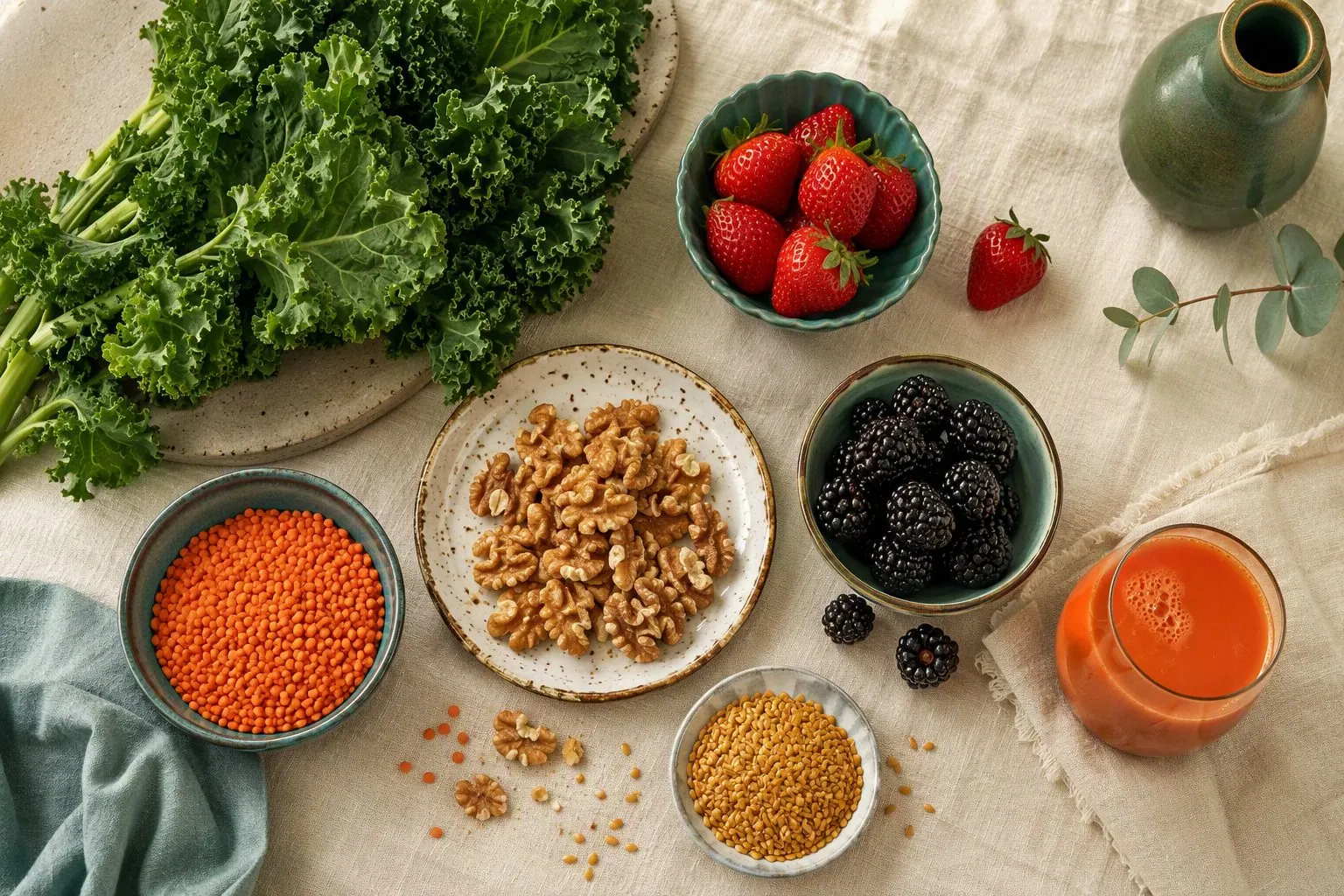
Our Nutrient-to-Calorie Ratio system scores the entire USDA food database on a 1–100 scale — with bioavailability, anti-nutrients, and realistic serving sizes built in. Lamb liver tops the index at 100.0; cooking spray sits at the floor of 1.0.

Nutrient-dense whole foods — kale, strawberries, blackberries, red lentils, walnuts and carrot juice on cream linen

1,705

Foods ranked

23

Nutrients

1–100

VH-NCR scale

  • The Top 100 whole foods and the Bottom 100, ranked with preparation-variant ranges
  • A smart search across all 1,705 canonical foods in the index
  • Why realistic consumption caps and anti-nutrient penalties change the rankings you thought you knew
Glycation & Skin Aging

The AGE food rankings — 490 foods, measured for advanced glycation end-products

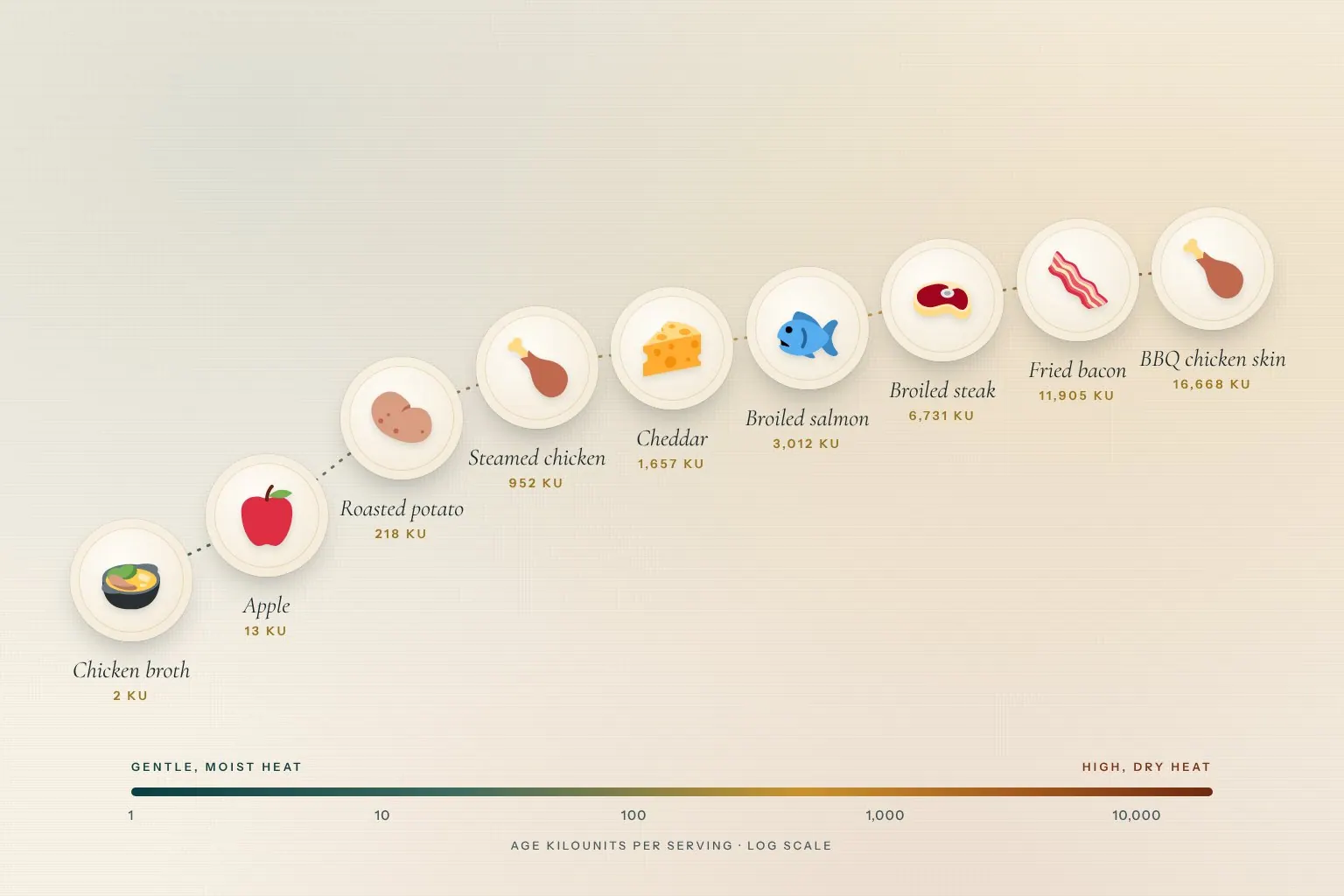
AGEs form when sugars bond to proteins and fats, and dry, high heat makes far more of them. We ranked every food in the Mount Sinai food analysis: broth sits near zero, while roasted-then-barbecued chicken skin tops the table at 16,668 kU per serving.

Illustrated heat scale: food plates rising from chicken broth at 2 kU to BBQ chicken skin at 16,668 kU of AGEs per serving

490

Foods measured

4

AGE tiers

16,668

Peak kU

  • The 100 lowest-AGE and 100 highest-AGE foods, side by side on one scale
  • A smart search across all 490 foods by name, food type, tier or cooking method
  • Same food, different heat: how boiling, roasting and frying change the number

Sunlight & Skin Health

Sunlight and your skin: vitamin D, aging and skin cancer risk

What UV light does to skin, with Canadian data. Why sunlight makes vitamin D, why Edmonton winters are different, and the sunscreen and shade guidance that holds up. Every claim links to its source.

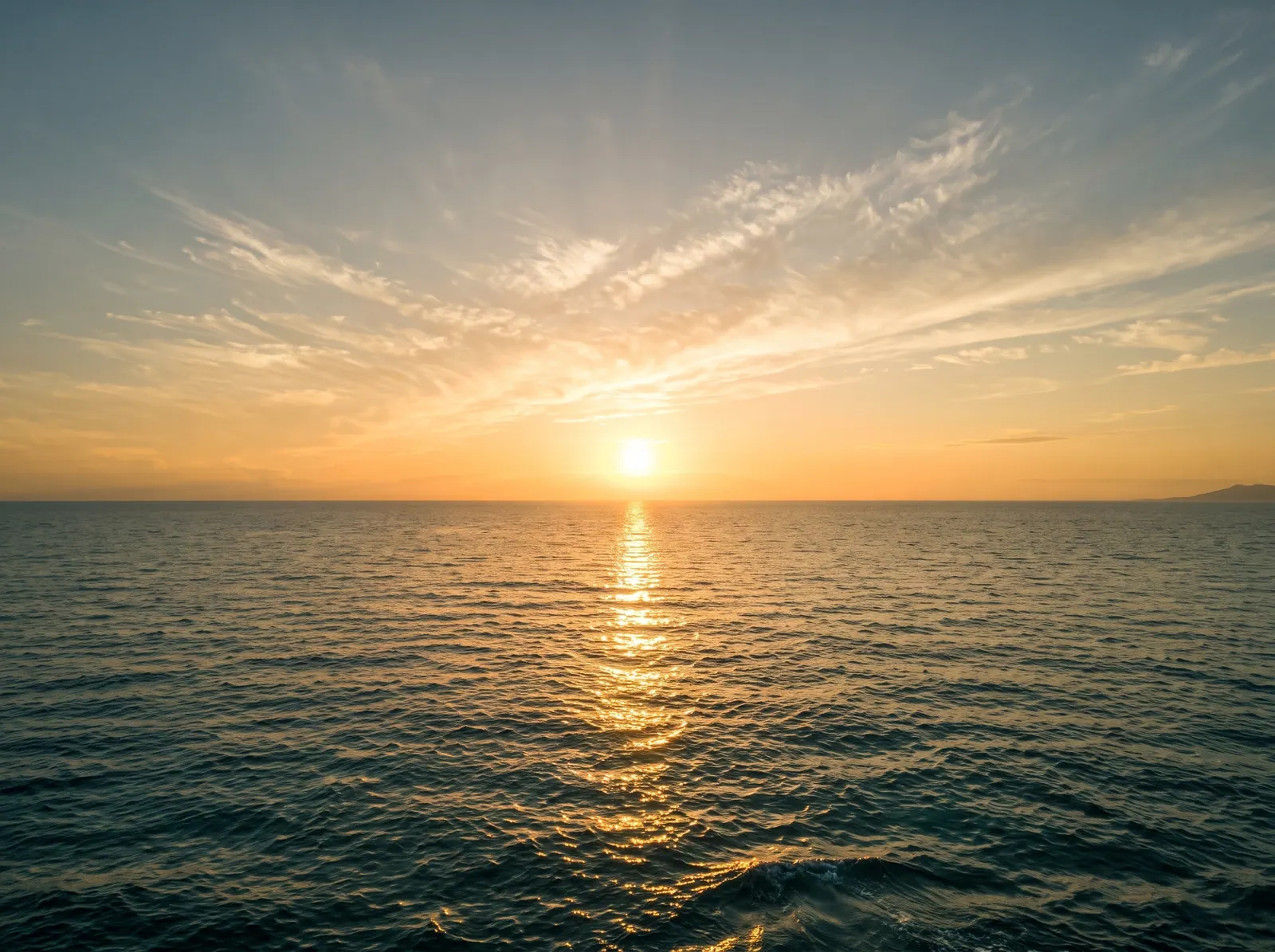
A low sun glowing over a calm sea, with a shimmering reflection on the water and wispy clouds above

~95%

UVA share at ground

10%

Canadians below 30 nmol/L

1 in 5

US skin cancer by 70

  • UVA and UVB compared: how deep each reaches, and their effects on aging and cancer
  • Vitamin D status of Canadians, and when the sun cannot make it in winter
  • The UV Index scale, sunscreen amounts and reapplication, and a sourced FAQ

Skin Whitening

Skin Whitening: what the clinical trials show

What randomized trials, drug labels and regulators say about treating melasma and dark patches. The prescription triple cream, hydroquinone, azelaic acid, niacinamide, tranexamic acid, cysteamine and thiamidol, with every claim linked to its source.

A clear glass petri dish with a pale pink gel beside a glass pipette on a cream laboratory bench
  • Head-to-head trial results against hydroquinone, with sample sizes and what was not significant
  • Why an iron-oxide sunscreen mattered in a randomized melasma trial
  • What is legal to buy in Canada and the US, and the risks of unauthorized creams

Blue Light

Blue light and your skin: what the research shows

What laboratory studies, human trials and systematic reviews report about blue light, skin pigmentation and photoaging, and how sunlight compares with screens. Every claim is linked to its PubMed record.

Soft powder-blue light glowing through sheer cream silk, with blue bokeh and floating light particles
  • How melanocytes sense blue light, and what a 415 nm study found at different doses
  • Why the sun, not the screen, is the larger source in one dose comparison
  • What the evidence says about tinted iron-oxide sunscreen, and what labels leave out

Regenerative Medicine

Stem cell treatment costs by body part, and what the evidence shows

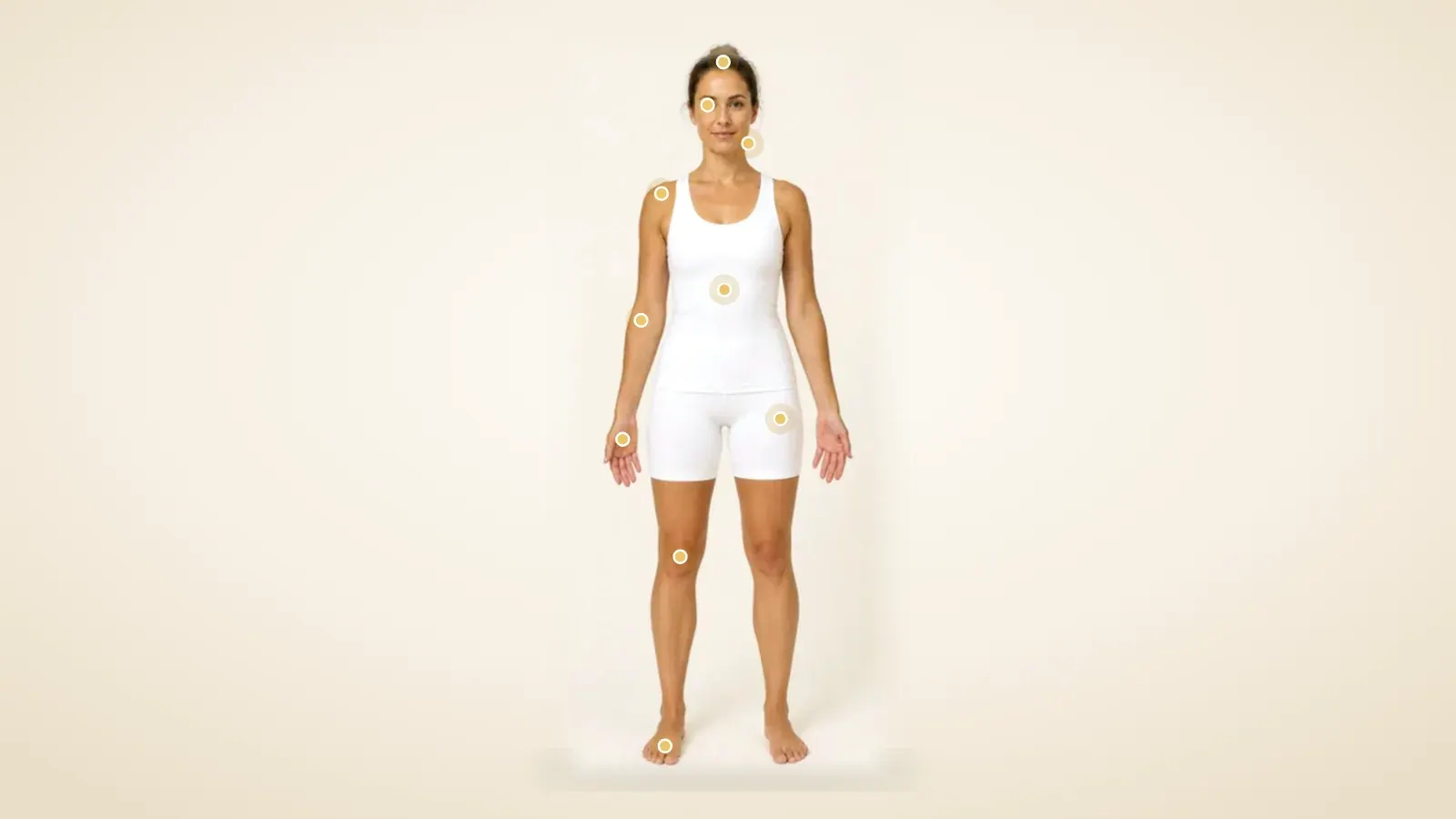
Full-body stem cell packages are sold as the future of advanced healthcare and anti-aging. We mapped published prices for each body part, from knee injections to IV programs, beside what clinics claim, what the research shows and what is approved in Canada and the U.S.

Anatomical model of a woman in fitted white clothing, with body-map pins over the areas priced in the stem cell cost guide

$5,156

Avg U.S. knee injection

$15k–50k

U.S. full-body quotes

All

Experimental anti-aging uses

  • An interactive body map with U.S. and abroad price ranges for each area
  • A full-body cost estimator, including the cost of repeat rounds
  • Where stem cells genuinely belong in care, and the questions to ask any clinic

Peptide Encyclopedia

Skincare peptides, graded by the studies

Search skincare peptides by name, trade name or what they do. Each entry sets out what the peptide is, what its studies measured, which studies were run or written by the maker, and what is still unknown.

Strings of pearl-like beads in blush, gold and pale teal forming flowing peptide chains over soft silk (AI-generated illustration)
  • Search by peptide, trade name, goal or effect, such as Matrixyl, copper or lines
  • Every study checked against its record, with industry-authored work flagged
  • The names not yet listed, and why each one is waiting for a verified study

New to the terms? The Scientific Glossary defines randomized trials, placebo, effect size and p-values, and the VH Skincare Glossary explains the words on skincare labels.